Essential Guide to Commercial Bathroom Installations for Gyms Sports Clubs and Hotels

Commercial bathrooms in gyms, sports clubs, and hotels serve many users daily. These spaces must be durable, hygienic, and comfortable to meet the needs of diverse visitors. Getting the installation right improves user experience, reduces maintenance costs, and ensures compliance with health and safety standards. This guide covers everything you need to know about commercial bathroom fit-outs and installations tailored for these busy environments.

Understanding the Unique Needs of Commercial Bathrooms
Gyms, sports clubs, and hotels each have distinct requirements for their bathrooms, but they share common challenges:
High traffic: These bathrooms face heavy daily use, requiring materials and fixtures that withstand constant wear.
Hygiene: Cleanliness is critical to prevent infections and maintain a positive reputation.
Accessibility: Facilities must accommodate all users, including those with disabilities.
Water efficiency: Reducing water use lowers operational costs and supports sustainability goals.
Gyms and Sports Clubs
Bathrooms in gyms and sports clubs often include showers, changing areas, and lockers. Users expect quick, efficient service with minimal waiting. The design should support easy cleaning and ventilation to reduce moisture buildup and odors.
Hotels
Hotel bathrooms focus on comfort and style while maintaining durability. Guests expect modern fixtures, good lighting, and privacy. Hotels may also offer spa or pool facilities, requiring specialized waterproofing and drainage.
Key Elements of Commercial Bathroom Installations
Durable Fixtures and Materials
Choosing the right materials is essential for longevity and ease of maintenance:
Stainless steel: Ideal for sinks, hand dryers, and partitions due to corrosion resistance.
Porcelain and ceramic tiles: Common for floors and walls, easy to clean and water-resistant.
Tempered glass: Used in shower doors and partitions for a sleek look and safety.
Anti-slip flooring: Prevents accidents in wet areas.
Efficient Plumbing and Drainage
Proper plumbing design prevents leaks and water damage. Considerations include:
Installing water-saving faucets and toilets to reduce consumption.
Using floor drains in showers and wet areas to avoid flooding.
Ensuring hot water systems deliver consistent temperature quickly.
Ventilation and Moisture Control
Good ventilation prevents mold and mildew, which can damage surfaces and harm health. Options include:
Exhaust fans with humidity sensors.
Windows or vents where possible.
Moisture-resistant paint and sealants.
Accessibility Features
Compliance with accessibility standards ensures bathrooms serve all users. Features include:
Wider doorways and stalls.
Grab bars near toilets and showers.
Lower sinks and hand dryers.
Clear signage.
Planning and Design Tips
Space Optimization
Maximize usable space without crowding:
Use wall-mounted fixtures to free floor area.
Design separate zones for showers, toilets, and changing.
Include lockers or storage near bathrooms for convenience.
User Flow
Plan layouts to avoid bottlenecks:
Separate entrances and exits if possible.
Provide enough stalls and showers for peak times.
Position handwashing stations near exits.
Lighting and Ambience
Good lighting improves safety and comfort:
Use bright, even lighting in all areas.
Consider motion sensors to save energy.
Add mirrors and light-colored surfaces to enhance brightness.
Maintenance Access
Design for easy cleaning and repairs:
Choose fixtures with smooth surfaces and minimal crevices.
Ensure plumbing and electrical components are accessible.
Use modular partitions for quick replacement.

Installation Process Overview
Initial Assessment
Start with a thorough site survey to understand existing conditions, plumbing, and electrical systems. Identify any structural limitations or code requirements.
Design and Specification
Work with designers and suppliers to select fixtures, materials, and layouts that meet the facility’s needs and budget.
Demolition and Preparation
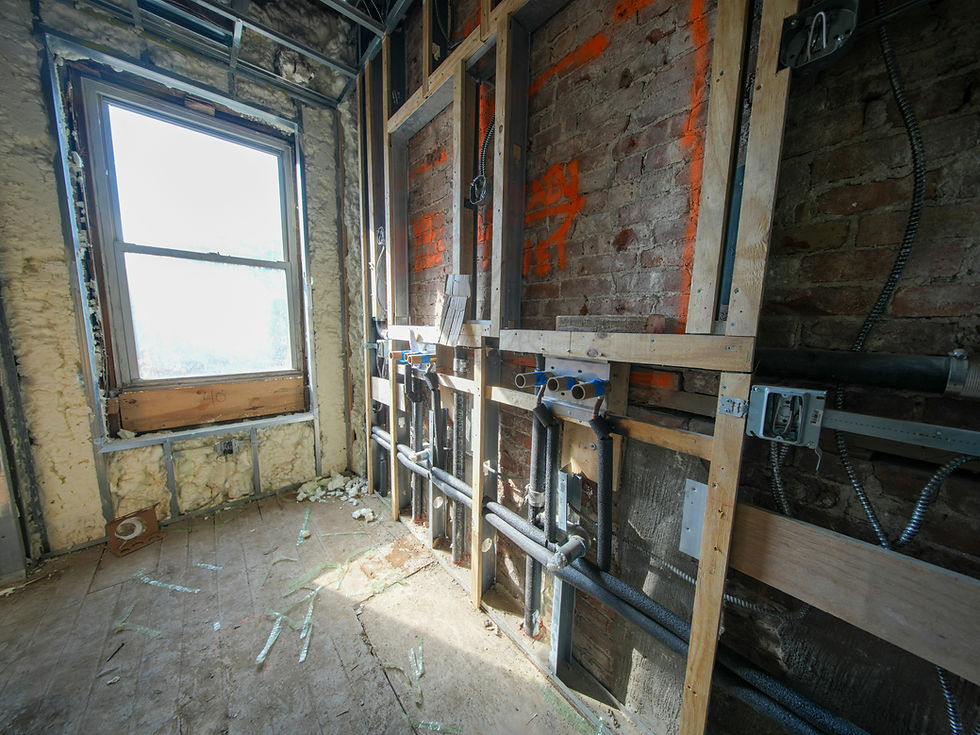
Remove old fixtures and prepare surfaces. Check for hidden damage or mold that needs treatment.
Plumbing and Electrical Work
Install or upgrade pipes, drains, wiring, and lighting according to the new design.
Fixture Installation
Fit toilets, sinks, showers, partitions, and accessories. Test all systems for leaks and functionality.
Finishing Touches
Apply paint, install mirrors, signage, and accessories. Conduct a final clean and inspection.
Common Challenges and How to Avoid Them
Delays due to poor planning: Detailed project timelines and clear communication prevent hold-ups.
Non-compliance with regulations: Stay updated on local building codes and accessibility laws.
Inadequate ventilation: Invest in quality exhaust systems and moisture barriers.
Low-quality materials: Choose trusted brands and durable products to reduce repairs.
User complaints about cleanliness: Design for easy cleaning and provide sufficient supplies.
Benefits of Professional Commercial Bathroom Installations
Hiring experienced installers ensures:
Compliance with health and safety standards.
Efficient use of space and resources.
Long-lasting, easy-to-maintain bathrooms.
Enhanced user satisfaction and reputation.
Final Thoughts
If you are looking for new, or to upgrade, commercial or lesuire facilities in the Kent or South-East London area reach out to us at Aqueous Heating & Plumbing to discuss your project. We shall provide honest advice and we can provide various budget options along with a clear quote to help you in project timeline.